
Projects leaded by:
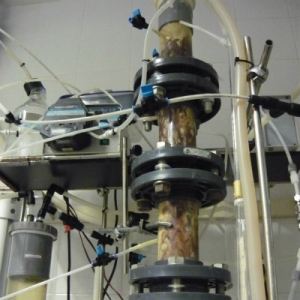
There are many industrial processes that produce gaseous effluents with high concentrations of pollutants. Treatment of highly-loaded off-gases has been traditionally performed through physical and chemical processes, mainly adsorption with activated carbons or zeolites, absorption with organic solvents or alkali and acid solutions or catalytic or thermal oxidations.
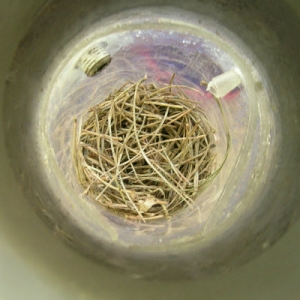
The management of municipal solid wastes is becoming a global problem. During processing of solid wastes in composting facilities or in landfills, generation of gases with complex mixtures of compounds creates odor concerns and environmental issues. Odorous compounds in this type of facilities are mainly originated from the decomposition of the organic fraction contained in the solid waste. Amongst others, volatile organic compounds, ammonia and hydrogen sulfide are the most produced during the decomposition process.
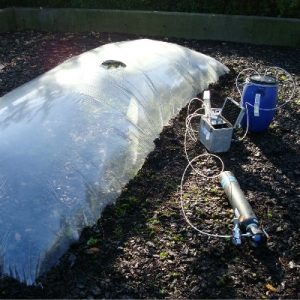
Odors from industrial facilities are a mixture of a large list of simple and complex volatile, organic and inorganic compounds that produce a physiological response in the pituitary gland since, even at trace level concentrations, most VOCs are malodorous and have very low odor thresholds.
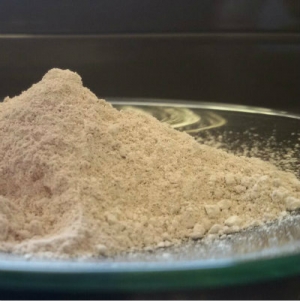
Exhaust flue gases obtained from fossil fuels combustion or other industrial activities contain high amounts of SOx which must be removed before their emission to the atmosphere. Environmental pollution such as acid rain and photochemical smog is caused by flue gases containing sulfur dioxide and nitrogen oxides. SOx emissions also affect adversely human health, livestock and plants.
VIVALDI: innoVative bIo-based chains for CO2 VALorisation as aDded-value organIc acids
CALL:SOCIETAL CHALLENGES - Food security, sustainable agriculture and forestry, marine, maritime and inland water research, and the bioeconomy
PI: Albert Guisasola
AMOUNT:€ 6 969 835,81
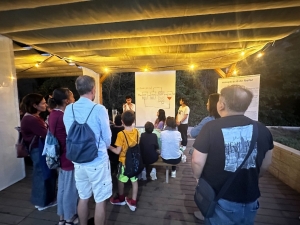
GENOCOV Research Group Shines at European Researchers' Night
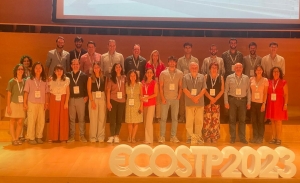
GENOCOV Research Group Shines at ECO STP 2023 Conference
RECYCLES: Recovering carbon from contaminated matrices by exploting the nitrogen and sulfur cycles
CALL: H2020-MSCA-RISE-2019 ID: 872053
PI: David Gabriel
Budget 1.209.800 €
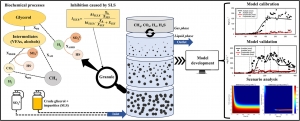
This paper has been published in Water Research (2025)